When it comes to sport and exercise, what should we be prioritising in terms of our recovery in order to not only get the best out of our performance, but also to minimise the risk of injury.
What is It?
What is it? The Recovery pyramid is a diagram used to highlight the priorities when it comes to recovery.
If you haven’t seen It before, head over to https://ylmsportscience.com/2023/04/03/what-are-the-best-recovery-strategies-for-athletes-the-recovery-pyramid/ to have a look.
The recovery pyramid is evidence based and should give you a clear approach what to focus on when looking to recover.
What Should I Prioritise?
Sleep! Research consistently shows that getting 7-9 hours of sleep each night plays a crucial role in muscle recovery, primarily through protein synthesis and the release of human growth hormone. But sleep’s benefits go beyond just muscles—it’s essential for optimal brain and central nervous system (CNS) function.
Nutrition is equally important as sleep when it comes to recovery, as it plays a vital role in refuelling and rehydrating the body. Proper nutrition supports muscle repair, promotes growth, and enhances the adaptations from your training or competition.
Following these two foundational strategies, we cot/ cold and water immersion, compressions, active recovery and stretching, massage and then this is followed by minimal evidence based therapies such as cryogenic chambers, EMS and vibration based strategies.
Self-confidence, belief, and feeling mentally prepared are key factors that influence performance. Recovery strategies that support this mental readiness include practices like stretching, wearing compression garments, and engaging in soft tissue release techniques such as massage, foam rolling, and using trigger point balls. These methods help not only with physical recovery but also with fostering a sense of well-being and readiness.
For myself, I’m a huge fan of sitting on a foam roller/ trigger balls and self massage techniques to aid my recovery as I feel the assist with my pain levels. However for me, the priority is always my sleep and then fuelling adequately for performance and trying to ensure I stay injury free.
Can Physiotherapy Help My Recovery?
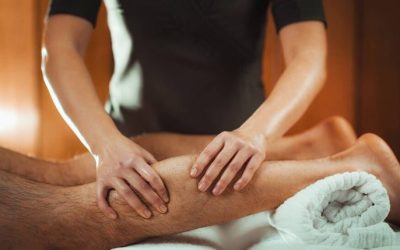
Physiotherapy can also greatly assist with aiding recovery post an event or training. Our soft tissue techniques and massage work can help you with DOMs and assist prior to an event, just make sure you’re getting your sleep and nutrition right.
—
Samuel Harrington